IPTV vs Cable TV: Which Is Better in 2026?
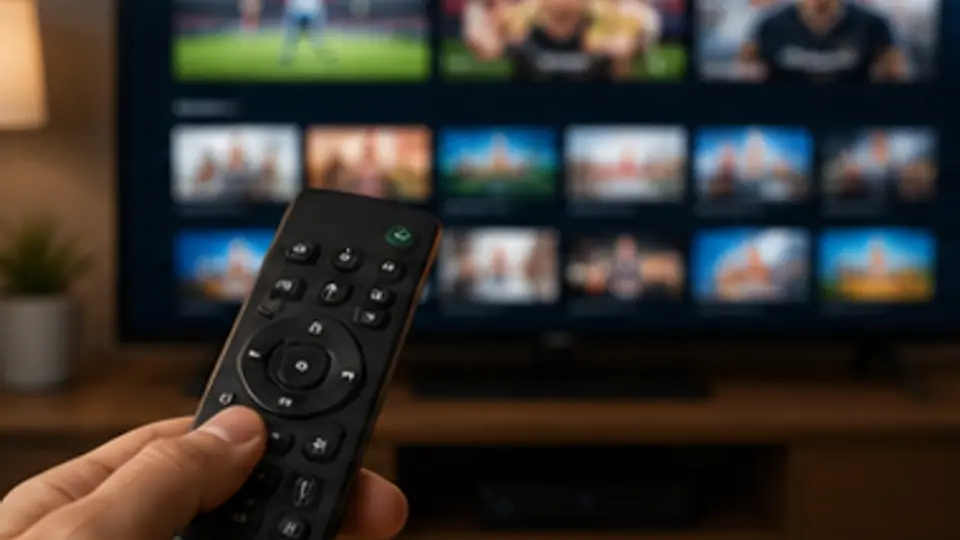
The cable TV vs IPTV debate is over in most US, UK, and EU households — viewers have already cut the cord. But the debate is still useful for the holdouts, the older relatives still paying Comcast or Sky for channels they don't watch, and anyone who's never actually compared the two side by side. Here is the honest 2026 comparison.
1. Monthly cost
The headline number: a Comcast Xfinity bundle in the US in 2026 averages around $115/month. Sky Q in the UK averages around £40–£70 depending on packs. Bell and Rogers in Canada sit between CA$70 and CA$120. A TrexTV Premium 12-month plan is €7/month — about 10x cheaper. See the full TrexTV pricing.
2. Channel choice and flexibility
Traditional cable bundles you into tiered packages: basic, premium, sports, movie add-ons, and so on. IPTV lets you skip the tier system entirely — one subscription, all channels included. No add-on for HBO. No add-on for sports. Everything together.
3. Picture quality
Cable still delivers excellent HD and growing 4K coverage in major markets. IPTV in 2026 matches that on a fast home internet connection, with the added benefit of native 4K HDR for premium events. See IPTV 4K streaming.
4. Hardware and installation
Cable requires a box (or two, or three), often a technician visit, and an active subscription with the cable company. IPTV needs no hardware beyond what you already own — your Firestick, Apple TV, Smart TV, or Android box does the job. No installation visit, no contract.
5. Internet requirements
This is cable's last remaining advantage — it doesn't depend on a good internet connection. IPTV does. A stable 15–25 Mbps connection is essential. If you're in a rural area with marginal internet, cable might still win.
6. Live sports
For NFL, Premier League, Champions League, F1, and the major sports, IPTV has caught up to cable. Streams are smooth, EPG is integrated, and PPV events are usually included rather than charged extra. See IPTV sports.
7. International channels
This is IPTV's biggest single advantage. Cable companies offer maybe 10–20 international channels, mostly behind expensive add-on packs. IPTV providers like TrexTV carry hundreds of international channels — Arabic, Hindi, Spanish, Turkish, ex-Yu, Polish — at no extra cost.
8. Contract length and exit cost
Cable contracts often run 12–24 months with early-termination fees. IPTV has no contract — you simply don't renew. The exit cost is zero.
9. Local channels
Local network feeds are sometimes a cable strength: ABC, NBC, CBS, FOX affiliates in the US, BBC and ITV-style channels in the UK. Many IPTV providers carry these too, but coverage can be region-specific. Confirm during the trial. See IPTV USA or IPTV UK.
10. Support quality
Big cable companies have outsourced call centers and 45-minute hold times. IPTV providers tend to be smaller and faster — TrexTV support typically responds within minutes via email, WhatsApp, or Telegram. See contact.
Which one is right for you?
Choose cable if: you have poor internet, you watch only local channels, you really value a printed monthly bill on paper, or you'd genuinely rather pay 10x more for a brand name.
Choose IPTV if: you have decent home broadband, you watch a mix of live and on-demand, you care about sports or international channels, or you want to stop paying $100/month for channels you never watch.
The honest "in between" answer
Some households keep a basic cable plan for local network reliability and add IPTV on top for international channels and sports. That's fine too. But if you're going to consolidate, IPTV is now the obvious primary choice for almost everyone.
Try before you commit
Request a free 24-hour test of TrexTV, watch a live game and a few of your favourite shows, then decide whether to keep paying your cable provider for the same content at 10x the price.